
-
E-mail
-
WhatsApp & WeChat
WhatsApp & WeChat
 Blister Packaging Line
 Automatic Counting Machine Line
 Liquid Filling Machine Line
 Powder Filling Machine Line
 Granule Filling Machine Line
 Bag Packing Machine
+86 151 6187 8967
Sachet Machine
A sachet machine at half the price is not the same machine with a discount — it is a different machine with a different frame, servo, and seal bar. I have torn down both an entry-tier and an industrial soy-sauce sachet machine for a Manila plant; the entry unit held dose at 2.1% CV and needed realignment weekly, the industrial held 0.5% and ran 18 months without a seal-bar change. If the quotation leads with price per hour, ask what you are not getting.
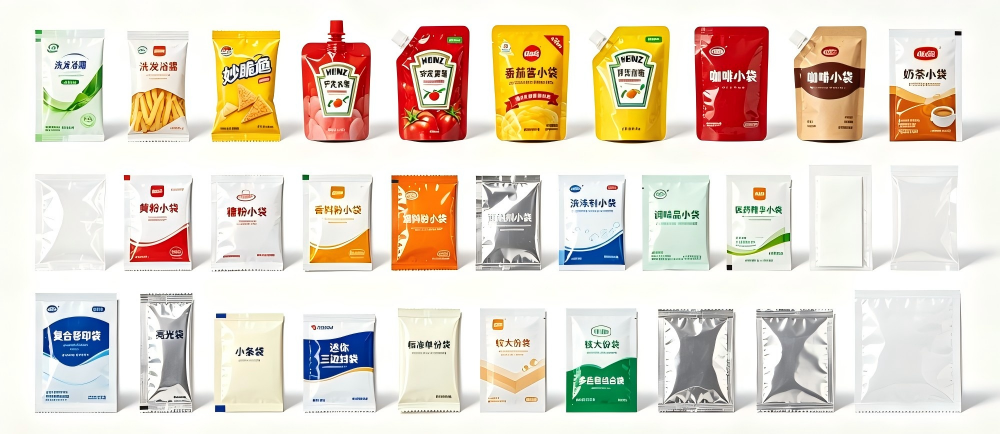
Sachet Machine
The headline price hides the bill of materials. A frame in 40 mm box section flexes under seal pressure and drifts registration; a stepper motor repeats within ±0.5 mm where a servo holds ±0.1 mm; a cast seal bar warps after 6 months where a machined alloy bar stays flat for years. The entry machine is not "worse tuned" — it is built from parts that cannot hold the tolerance. You are buying a different class of machine, not a discount.
| Component | Entry-tier | Industrial |
|---|---|---|
| Frame | 40 mm box, painted | 60+ mm welded, ground |
| Drive | Stepper, ±0.5 mm | Closed-loop servo, ±0.1 mm |
| Seal bar | Cast alloy, warps ~ 6 mo | Machined, 18+ mo |
| Control | Basic PLC, no recipe | Recipe PLC, OEE log |
| Dose CV | 1.5–2.5% | 0.4–0.8% |
The differences compound. The flexible frame makes registration drift, so the stepper chases it and the seal bar sees uneven pressure — one corner seals cold. The cold corner leaks, the plant slows the line to re-check, and throughput drops below the rated number. The industrial machine holds the frame, the servo holds registration, and the bar holds pressure, so the rated speed is the real speed. The price gap is 40–70%; the downtime gap is what decides payback.
The plant evaluated two 8 g soy-sauce sachet machines at 90 sachets/min: an entry-tier unit at USD 14,000 and an industrial unit at USD 23,000. Both ran the same PET/PE film at 30 ± 3 °C, 70% RH.
Over a 12-month run, the entry unit held dose at 2.1% CV, needed frame realignment weekly (4 h/month), and the seal bar warped at month 7, adding a 0.9% leak reject until replaced. The industrial unit held 0.5% CV, needed no realignment, and the seal bar ran 18 months. Factoring downtime and reject, the entry unit's effective cost per good sachet was 11% higher than the industrial, despite the lower ticket price.
| Parameter (12-month) | Entry-tier | Industrial |
|---|---|---|
| Ticket price | USD 14,000 | USD 23,000 |
| Dose CV | 2.1% | 0.5% |
| Realignment time | 4 h/month | 0 |
| Seal-bar life | 7 months | 18 months |
| Effective cost / good sachet | + 11% | Baseline |
CE marking under the Machinery Regulation; food contact under EU 10/2011. Even an entry unit must carry CE to sell into the EU — verify the certificate is current, not a borrowed one.
FDA 21 CFR 110 for food contact; NIST Handbook 133 for net quantity. Soy sauce is low-acid; process rules may apply. CE is not required but traceability is.
The Philippines (FDA), Thailand, Vietnam, Indonesia set food-contact and labelling rules; halal covers the Muslim market. High humidity is hard on entry-tier frames and bars — inspect build quality closely.
Saudi SFDA and GCC anchor conformity; halal (SASO/GSO) mandatory. Heat plus humidity stresses both tiers; the industrial frame and bar survive better.
For low volume and one product, yes — but qualify it at your speed and product. On the Manila case, the entry unit's effective cost per good sachet was 11% higher than the industrial once downtime and reject were counted.
Cast seal bar warps at ~6 months and the flexible frame drifts registration, so one corner seals cold. The industrial machined bar and welded frame hold pressure and registration.
Below 60 sachets/min a stepper can hold; above that, under load it loses sync and misforms sachets. For any serious line, closed-loop servo.
Require a stated spare-part lead time in the contract and hold a seal bar and a servo drive on the shelf. Proprietary parts at 8–12 weeks will idle you otherwise.
Written by Helen Xu | Chief Industrial Application Engineer
Helen Xu is a Chief Industrial Application Engineer with 9 years of specialized experience in packaging machinery and liquid filling machine design, equipment model selection, and full production line process optimization. He focuses on delivering customized packaging & filling solutions for pharmaceutical, food, and chemical manufacturing industries, with mature practical expertise in GMP compliance, ISO 9001 quality management standards, and turnkey large-scale filling & packaging production line integration.
E-mail Us
Chat With Us


