Premade Pouch Filling Machine

Premade Pouch Filling Machine

Practical Buying Guide

Premade pouch filling machines deliver superior finished‑pouch appearance and multi‑SKU flexibility for medium‑batch production; rotary units fit high‑volume stable‑format runs while linear configurations suit frequent change‑over, and selection must match pouch material, product rheology and real‑world OEE target instead of only focusing on maximum advertised speed.

Unlike VFFS systems that form bags from film roll, premade pouch filling machines work with pre‑manufactured doypack, zipper, spouted or shaped pouches, completing pouch feeding, opening, filling, heat‑sealing and automatic discharge in one cycle. It is widely adopted across food, nutraceutical, pet food, personal care and specialty chemical sectors where retail‑ready pouch quality and batch‑to‑batch consistency are non‑negotiable requirements.
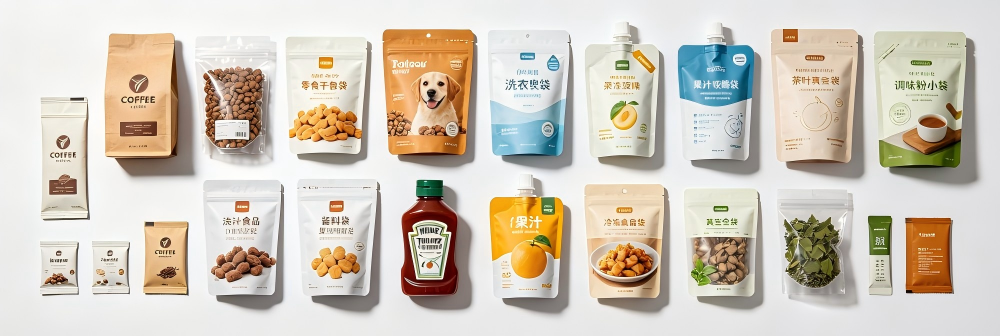
Premade Pouch Filling Machine

Premade Pouch Filling Machine

Technical Deep‑Dive

Two mainstream mechanical architectures dominate current market: rotary and linear premade pouch fillers.

  • Rotary premade pouch filling machine: Multi‑station cam‑driven rotary indexing structure. Typical running speed 40‑80 pouches/min, high‑speed customized version hits 110‑120 pouches/min. Change‑over time 30‑60 min. Better OEE for long continuous production runs; ideal for fixed‑format mass output. Standard built‑in logic: no pouch detected → no fill, no seal, to cut material waste.
  • Linear premade pouch filling machine: Straight‑line transport layout. Typical speed 20‑40 pouches/min. Tooling change‑over 15‑30 min. Outstanding for factories running 8‑15 different SKUs every week. Lower initial investment for mid‑size batch orders.

Matching filling modules according to material property is critical for stable performance:

  1. Granule: Multi‑head combination weigher, typical filling accuracy ±0.3‑0.8 %
  2. Fine powder: Servo auger filler with dust extraction hood, accuracy ±0.5‑1.2 %
  3. Liquid & low‑viscosity paste: Piston filler / rotary lobe pump with anti‑drip nozzle
  4. High‑viscosity paste with particulates: Wide‑bore servo piston filling assembly

Key control hardware: PLC + multi‑language HMI touch screen, recipe memory for one‑click parameter recall. Contact‑part material SUS304 as standard; SUS316L optional for food‑grade, cosmetic or low‑pH chemical production. Heat‑seal module adopts closed‑loop temperature control, seal temperature tolerance ±2 ℃, to avoid leak or pouch material burning.

Industry Benchmark Data & Compliance Standard

Field‑tested real‑world data collected from installed production lines (not lab‑only nominal parameters):

  1. Normal running OEE for well‑maintained rotary premade pouch filler: 87‑93 %; linear type OEE 82‑88 %
  2. Pouch pick‑up success rate: ≥99.2 % under qualified premade pouch incoming quality; defective pouch feeding will directly drag down overall line efficiency
  3. Seal leakage reject rate target for food‑grade application: below 0.4 % in stable production status
  4. Typical change‑over loss: 120‑280 pouches per format switch, highly dependent on operator proficiency and tooling quick‑release design

Mandatory & reference compliance standards for global export:

  • CE (2006/42/EC Machinery Directive): compulsory for EU market delivery, covers mechanical safety, emergency stop, guard interlock and electrical safety requirements.
  • ISO 9001: manufacturer quality‑system certification baseline for equipment fabrication.
  • GMP‑oriented construction requirement: for food, dietary supplement and cosmetic projects, easy‑disassembly contact components, dead‑zone‑free frame structure for wet‑cleaning.
  • ATEX 2014/34/EU: optional requirement, needed when processing explosive dust or solvent‑containing products inside production workshop.

Important practical note: CE marking on nameplate is not enough; ask supplier for Declaration of Conformity (DoC) full documentation before shipment for European customs audit.

Real‑World Production Case (no confidential customer names, actual working condition)

Case 1: Mid‑size dry food processor, rotary premade pouch filling line

Working condition: Mixed nut & dried fruit, stand‑up zipper pouch, pouch size 120×180 mm, target output 55‑60 pouches/min, 8‑10 hours daily shift. Before upgrade: Semi‑manual weighing + manual sealing station, 6 operators for packaging section, reject rate 4.7 %. After rotary premade pouch filler deployment: Only 1‑2 operators supervise full line; actual stable throughput 52 pouches/min; leakage + mis‑fill reject rate dropped to 0.32 %. Annual material rework loss reduced by around 34 %. Frequent minor format adjustment is completed by calling stored HMI recipe, no mechanical tool disassembly required for size range inside machine specification limits.

Case 2: Cosmetic & home care manufacturer, linear premade pouch filler

Working condition: Body wash refill premade spout pouches, 100 ml‑500 ml, 12 different SKUs, small‑medium batch, frequent weekly product change‑over. Linear unit selected for short change‑over cycle. Real‑world running speed 24‑28 pouches/min. Quick‑release filling nozzle and pouch gripper design cut format‑switch time down to 22 min average. SUS316L contact parts prevent chemical corrosion from surfactant‑rich formula. The factory avoided over‑investing in high‑speed rotary machine which would suffer low OEE under frequent‑SKU environment.

Critical Pain Points Buyers Often Over‑look

  1. Pouch quality directly governs machine performance: Dimension tolerance, film thickness consistency, zipper flatness of incoming premade pouches strongly influence pick‑up and opening yield. Even top‑tier filler will jam if pouches are poorly manufactured. Define pouch specification sheet and perform incoming QC inspection after equipment commissioning.
  2. Nominal max speed ≠ real production speed: Catalog maximum speed is usually tested under ideal lab condition with easiest‑to‑run product and simple flat pouch. Sticky paste, heavy fill‑weight, complex spouted / shaped pouch will lower practical running speed by 20‑40 %. Always run sample test with your actual pouch and material before final order confirmation.
  3. Total cost of ownership (TCO) instead of only machine price: Factor in spare‑part consumption, compressed‑air consumption, utility requirement, after‑sales travel cost and annual maintenance labour expense when doing budget evaluation.

FAQ For B2B Purchasing Engineers

Q: Premade pouch filler or VFFS, which should I pick? A: Choose premade pouch filling machine if you use zipper / spout / special‑shape retail‑grade pouches, or you run multiple SKUs with medium batch volume. If annual output exceeds 10‑20 million units with simple pillow‑style bags and very few SKU changes, VFFS roll‑fed system may deliver better material‑cost economy.

Q: Can one machine handle powder, liquid and granule together? A: The main frame can be shared, but you need separate filling stations. You will swap auger filler, piston pump or multi‑head weigher module. Full module swap takes time, not recommended for daily frequent cross‑material switching.

Q: What information should I send to machinery supplier for accurate quotation? A: ① product sample / material viscosity / bulk density; ② full pouch drawing or physical pouch sample; ③ fill weight / fill volume range; ④ target practical running speed (not only ideal max speed); ⑤ required certification (CE, GMP‑construction etc.); ⑥ workshop power supply and compressed‑air parameter.

Q: How long is normal lead‑time and what about after‑sales support for overseas installation? A: Standard premade pouch filling machine lead‑time 6‑10 weeks ex‑factory. Qualified vendors offer remote troubleshooting via video, and optional overseas engineer commissioning service with separate service charge. Pre‑shipment factory acceptance test (FAT) is strongly suggested.

Q: What is the main wearing‑part list I should prepare stock for? A: Vacuum suction cups, heat‑seal Teflon tapes, gripper rubber pads, sealing gaskets. These parts degrade with production hours; prepare spare stock to avoid unexpected line stop.


Written by Helen Xu | Chief Industrial Application Engineer

Helen Xu is a Chief Industrial Application Engineer with 9 years of specialized experience in packaging machinery and liquid filling machine design, equipment model selection, and full production line process optimization. She focuses on delivering customized packaging & filling solutions for pharmaceutical, food, and chemical manufacturing industries, with mature practical expertise in GMP compliance, ISO 9001 quality management standards, and turnkey large‑scale filling & packaging production line integration.

E-mail Us

  • Afghanistan
  • Albania
  • Algeria
  • American Samoa
  • Andorra
  • Angola
  • Anguilla
  • Antarctica
  • Antigua and Barbuda
  • Argentina
  • Armenia
  • Aruba
  • Australia
  • Austria
  • Azerbaijan
  • Bahamas
  • Bahrain
  • Bangladesh
  • Barbados
  • Belarus
  • Belgium
  • Belize
  • Benin
  • Bermuda
  • Bhutan
  • Bolivia
  • Bosnia and Herzegovina
  • Botswana
  • Bouvet Island
  • Brazil
  • British Indian Ocean Territory
  • Brunei Darussalam
  • Bulgaria
  • Burkina Faso
  • Burundi
  • Cambodia
  • Cameroon
  • Canada
  • Cape Verde
  • Cayman Islands
  • Central African Republic
  • Chad
  • Chile
  • China
  • Christmas Island
  • Cocos (Keeling) Islands
  • Colombia
  • Comoros
  • Congo
  • Cook Islands
  • Costa Rica
  • Cote D'Ivoire
  • Croatia
  • Cuba
  • Cyprus
  • Czech Republic
  • Denmark
  • Djibouti
  • Dominica
  • East Timor
  • Ecuador
  • Egypt
  • El Salvador
  • Equatorial Guinea
  • Eritrea
  • Estonia
  • Ethiopia
  • Falkland Islands (Malvinas)
  • Faroe Islands
  • Fiji
  • Finland
  • France, Metropolitan
  • French Guiana
  • French Polynesia
  • Gabon
  • Gambia
  • Georgia
  • Germany
  • Ghana
  • Gibraltar
  • Greece
  • Greenland
  • Grenada
  • Guadeloupe
  • Guam
  • Guatemala
  • Guinea
  • Guinea-Bissau
  • Guyana
  • Haiti
  • Honduras
  • Hong Kong,China
  • Hungary
  • Iceland
  • India
  • Indonesia
  • Iran (Islamic Republic of)
  • Iraq
  • Ireland
  • Israel
  • Italy
  • Jamaica
  • Japan
  • Jordan
  • Kazakhstan
  • Kenya
  • Kiribati
  • North Korea
  • South Korea
  • Kuwait
  • Kyrgyzstan
  • Lao People's Democratic Republic
  • Latvia
  • Lebanon
  • Lesotho
  • Liberia
  • Libyan Arab Jamahiriya
  • Liechtenstein
  • Lithuania
  • Luxembourg
  • Macau
  • Madagascar
  • Malawi
  • Malaysia
  • Maldives
  • Mali
  • Malta
  • Marshall Islands
  • Martinique
  • Mauritania
  • Mauritius
  • Mayotte
  • Mexico
  • Micronesia
  • Moldova
  • Monaco
  • Mongolia
  • Montserrat
  • Morocco
  • Mozambique
  • Myanmar
  • Namibia
  • Nauru
  • Nepal
  • Netherlands
  • New Caledonia
  • New Zealand
  • Nicaragua
  • Niger
  • Nigeria
  • Niue
  • Norfolk Island
  • Northern Mariana Islands
  • Norway
  • Oman
  • Pakistan
  • Palau
  • Panama
  • Papua New Guinea
  • Paraguay
  • Peru
  • Philippines
  • Pitcairn
  • Poland
  • Portugal
  • Puerto Rico
  • Qatar
  • Reunion
  • Romania
  • Russian Federation
  • Rwanda
  • Saint Kitts and Nevis
  • Saint Lucia
  • Saint Vincent and the Grenadines
  • Samoa
  • San Marino
  • Saudi Arabia
  • Senegal
  • Seychelles
  • Sierra Leone
  • Singapore
  • Slovak Republic
  • Slovenia
  • Solomon Islands
  • Somalia
  • South Africa
  • Spain
  • Sri Lanka
  • St. Helena
  • Sudan
  • Suriname
  • Swaziland
  • Sweden
  • Switzerland
  • Syrian Arab Republic
  • Taiwan, China
  • Tajikistan
  • Tanzania
  • Thailand
  • Togo
  • Tokelau
  • Tonga
  • Trinidad and Tobago
  • Tunisia
  • Turkey
  • Turkmenistan
  • Turks and Caicos Islands
  • Tuvalu
  • Uganda
  • Ukraine
  • United Arab Emirates
  • United Kingdom
  • United States
  • Uruguay
  • Uzbekistan
  • Vanuatu
  • Vatican City State (Holy See)
  • Venezuela
  • Viet Nam
  • Virgin Islands (U.S.)
  • Wallis and Futuna Islands
  • Western Sahara
  • Yemen
  • Zambia
  • Zimbabwe
  • Montenegro
  • Serbia
  • Palestine
  • South Sudan
  • Jersey

Chat With Us